
What is Visceral Fat?
Definition and Characteristics
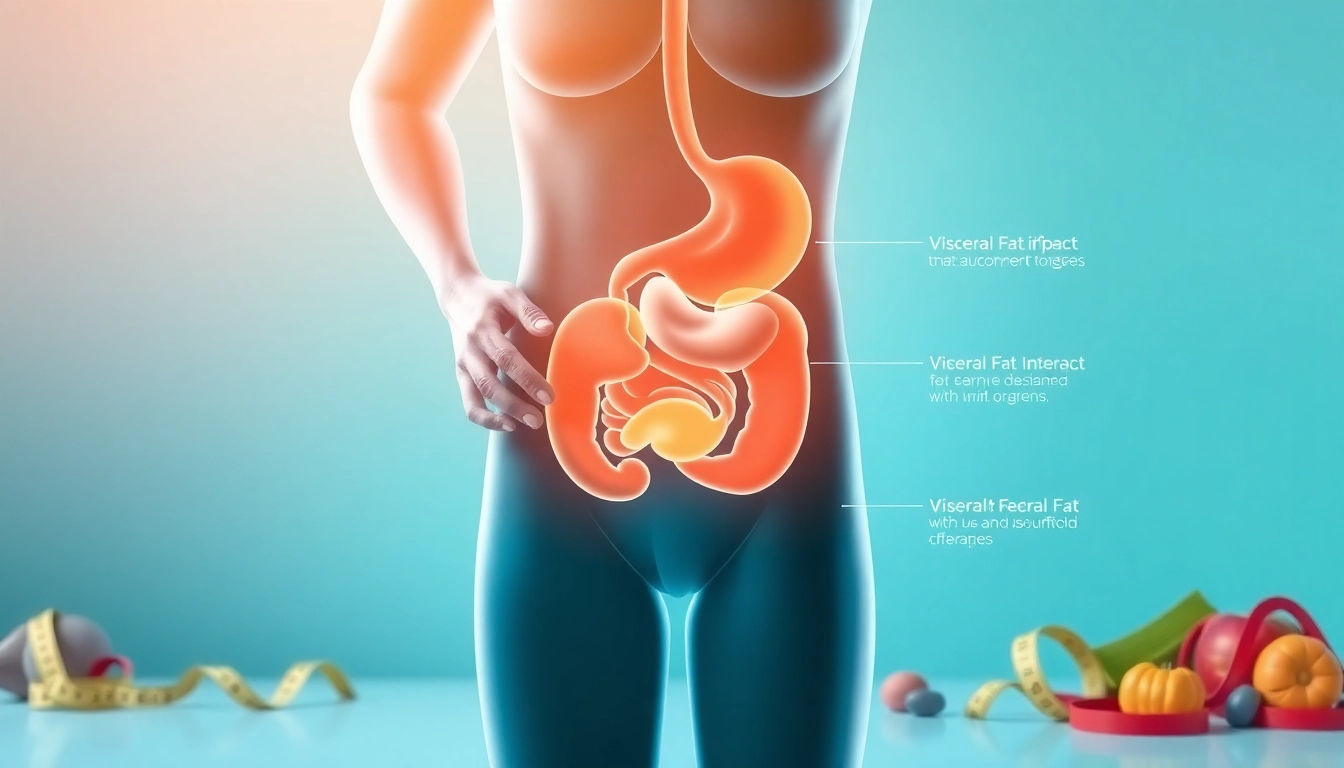
Visceral fat is a type of body fat that is stored deep within the abdominal cavity. Unlike subcutaneous fat, which resides just beneath the skin and can be pinched, visceral fat surrounds vital internal organs such as the liver, pancreas, and intestines. This protective layer is essential for the body’s functioning; however, excessive amounts can pose significant health risks. Visceral fat is often referred to as “toxic fat” due to its association with chronic diseases.
Distinction Between Visceral and Subcutaneous Fat
Understanding the difference between visceral and subcutaneous fat is crucial for health management. Subcutaneous fat is located just under the skin, making it visible and easier to measure. It’s the fat you typically see on areas like the stomach, arms, and thighs. On the other hand, visceral fat is not visible from the outside and is more metabolically active, meaning it releases harmful fatty acids, inflammatory markers, and hormones into the bloodstream.
This distinction is essential because while subcutaneous fat may be a concern for aesthetic reasons, visceral fat is directly linked to serious health problems, including metabolic syndrome, cardiovascular diseases, and type 2 diabetes. It is important to monitor and manage visceral fat levels appropriately.
Health Risks Associated with Visceral Fat
Excess visceral fat significantly increases the risk of developing several health conditions. It is closely associated with insulin resistance, leading to an increased risk of type 2 diabetes. Moreover, visceral fat contributes to elevated blood pressure, abnormalities in cholesterol levels, and systemic inflammation, which are all risk factors for heart disease.
Research has shown that individuals with higher levels of visceral fat are more likely to experience strokes and heart attacks as a result of the fat’s proximity to the body’s major arteries. In addition to cardiovascular diseases, there is a plausible connection between visceral fat and certain cancers, such as breast and colon cancer, primarily due to the inflammatory cytokines released by the fat.
Identifying Visceral Fat
Methods for Measuring Visceral Fat
Identifying visceral fat can be challenging without clinical measurement tools. One of the most common methods is through imaging technology, such as MRI and CT scans, which can accurately visualize fat distribution in the body. However, these tests can be costly and are typically reserved for clinical diagnosis.
For individuals seeking to measure visceral fat at home, various methods are available. These include:
- Waist Circumference: Measuring the circumference of your waist can provide a general indication of visceral fat. A waist measurement over 40 inches in men or 35 inches in women generally indicates increased visceral fat.
- Body Mass Index (BMI): While BMI alone does not specifically measure visceral fat, a higher BMI can suggest excess body fat, which may include visceral fat.
- Bod Pod and Bioelectrical Impedance Analysis (BIA): These advanced tools can estimate body composition, including fat distribution, though they may not be easily available for personal use.
Understanding Your Body Composition
Understanding body composition is crucial for determining health risks related to visceral fat. Beyond weight, body composition gives insights into the proportion of fat to lean mass (muscle). Achieving a healthy balance is vital for metabolic processes and overall well-being.
By tracking body composition changes over time, individuals can monitor their progress in reducing visceral fat, which can be more indicative of health than simply measuring weight alone. Health assessments involving body fat percentage can be obtained through various methods, including skinfold measurements and bioelectrical impedance analysis.
Signs and Symptoms of Excess Visceral Fat
Excess visceral fat may not always present obvious symptoms, but several indicators can suggest its presence:
- Increased Waist Size: The most tangible sign of visceral fat is an increase in waist circumference. This can be a straightforward metric for assessing changes over time.
- Changes in Loyalty and Other Lipids: An increase in bad cholesterol (LDL) and a decrease in good cholesterol (HDL) can also be associated with higher visceral fat levels.
- Insulin Resistance Symptoms: Symptoms such as fatigue after meals, increased thirst, and frequent urination can indicate potential insulin resistance linked to excess visceral fat.
Health Implications of Visceral Fat
Connection to Chronic Diseases
The correlation between visceral fat and chronic diseases is well established in medical literature. Chronic inflammation, induced by higher levels of visceral fat, is a critical factor in the development of these conditions. This inflammatory response can lead to atherosclerosis, a condition where plaque builds up in arteries, narrowing them and increasing the risk of heart disease and stroke.
Moreover, visceral fat is associated with metabolic syndrome – a cluster of conditions that increase heart disease, stroke, and type 2 diabetes risk. These include elevated blood pressure, high blood sugar, excess body fat around the waist, and abnormal cholesterol levels. Managing visceral fat can greatly reduce these risks.
Impact on Mental Health and Well-being
The implications of visceral fat extend beyond physical health, affecting mental well-being. Studies indicate that a higher level of visceral fat correlates with increased levels of anxiety and depression. This can be partly attributed to physiological changes associated with the fat and its influence on hormones and inflammation in the body.
Furthermore, the societal pressures linked to body image can add stress to those dealing with excess visceral fat, compounding its impact on mental health. Addressing visceral fat can lead to improved self-esteem, greater physical mobility, and an overall enhancement in quality of life.
Long-term Consequences of High Visceral Fat Levels
The long-term consequences of maintaining high levels of visceral fat are serious and can drastically reduce life expectancy. Continuous high visceral fat levels can result in chronic health conditions such as heart disease, type 2 diabetes, and other metabolic disorders that necessitate ongoing medical intervention.
Moreover, individuals with high visceral fat may also face complications like sleep apnea, fatty liver disease, and infertility issues. Ensuring a proactive approach to reducing visceral fat not only enhances physical health but also improves the likelihood of a longer, healthier life.
Effective Strategies to Reduce Visceral Fat
Dietary Changes for Lowering Visceral Fat
Diet plays a critical role in managing visceral fat levels. A balanced diet that emphasizes whole foods, such as fruits, vegetables, whole grains, lean proteins, and healthy fats can help combat visceral fat accumulation. Here are specific dietary strategies:
- Increase Fiber Intake: Consuming both soluble and insoluble fiber can help regulate digestion and improve metabolic health, ultimately facilitating fat loss.
- Adopt Healthy Fats: Focus on integrating monounsaturated and polyunsaturated fats found in avocados, nuts, seeds, and fish, while minimizing trans fats and saturated fats.
- Reduce Sugar and Processed Foods: Limiting sugar intake and avoiding highly processed foods can prevent fat accumulation around internal organs. This includes refraining from soft drinks, candy, and even excessive fruit juices.
Exercise and Physical Activities to Target Visceral Fat
Physical activity is fundamental in the quest to reduce visceral fat. Regular aerobic exercises help to burn calories and improve metabolic rates, targeting fat loss effectively. Recommended physical activities include:
- Cardiovascular Exercises: Activities like running, cycling, and swimming enhance heart rate and promote fat loss.
- Resistance Training: Engaging in strength training exercises helps increase lean muscle mass, which can positively affect metabolism and daily caloric expenditure.
- High-Intensity Interval Training (HIIT): This approach involves short bursts of intense activity followed by recovery periods, effectively maximizing fat loss emulating afterburn phenomena.
Lifestyle Modifications for Sustainable Results
To effectively maintain lower visceral fat levels, lifestyle modifications must be embraced holistically. Consider implementing the following changes:
- Stress Management: Chronic stress results in cortisol production, which is associated with fat accumulation. Engage in mindfulness practices such as yoga, meditation, or deep-breathing exercises.
- Adequate Sleep: Sleep is vital for recovery and maintaining metabolic health. Aim for 7-9 hours of quality sleep each night.
- Stay Hydrated: Adequate hydration is essential for metabolic function and can assist in reducing appetite.
Maintaining a Healthy Level of Visceral Fat
Monitoring Your Progress
Regular monitoring is key to understanding and maintaining visceral fat levels. Keeping track of waist measurements and body composition can offer valuable insights into body changes. Additionally, maintaining a food journal can help to ensure adherence to dietary changes and identify patterns that may lead to fat accumulation.
Long-term Strategies for Health and Wellness
Long-term success requires a commitment to an overall healthy lifestyle rather than short-term dieting trends. Set realistic health goals, establish a support system, and foster accountability through regular check-ins with healthcare providers or nutritionists. Engage in community groups or fitness challenges to maintain motivation and engagement with your goals.
Consulting Health Professionals for Guidance
Seeking professional guidance can significantly enhance your efforts to manage visceral fat. Healthcare professionals can provide customized diet and exercise plans, maintaining accountability and addressing specific health concerns that may necessitate more tailored approaches. A registered dietitian, for example, can help navigate nutritional needs, ensuring you take an informed approach to reduce visceral fat healthily and sustainably.