
What is Visceral Fat?
Definition and Composition
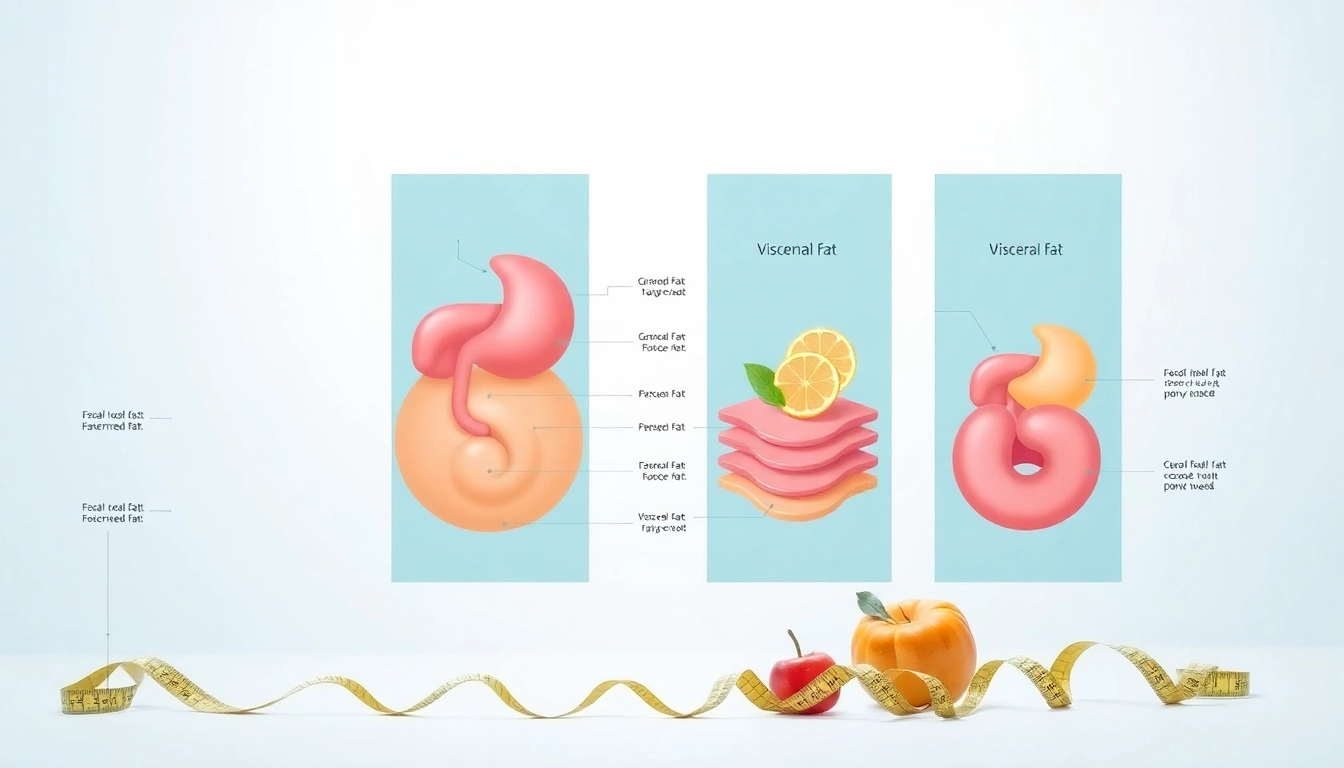
Visceral fat, often referred to as central fat, is a type of fat that is stored in the abdominal cavity. Unlike subcutaneous fat, which is located just beneath the skin, visceral fat surrounds vital organs such as the liver, pancreas, and intestines. This deeper layer of fat is not only a source of energy but also produces various hormones and substances that can negatively influence metabolic health. It’s important to understand that while everyone has some level of visceral fat, excessive amounts can pose significant health risks.
How Visceral Fat Differentiates from Subcutaneous Fat
The key difference between visceral fat and subcutaneous fat is their location and impact on health. Subcutaneous fat lies directly under the skin and is usually considered ‘safe’ as it doesn’t directly influence biological functions. In contrast, visceral fat is located deeper within the body and can contribute to a host of health issues. It produces inflammatory markers and hormones that can disrupt insulin sensitivity and lipid metabolism, potentially leading to conditions such as type 2 diabetes and heart disease. Studies have shown that a higher proportion of visceral fat increases the risk of these health problems compared to subcutaneous fat.
Health Implications Associated with Visceral Fat
Excessive visceral fat is linked to numerous health conditions. It plays a significant role in metabolic syndrome, a cluster of conditions that increase the risk of heart disease, stroke, and diabetes. Additionally, research suggests that individuals with high levels of visceral fat are more prone to inflammatory responses, which can elevate the risk of chronic diseases including certain cancers. Understanding the dangers associated with visceral fat and implementing preventive measures can drastically reduce these health risks.
Why Visceral Fat is Dangerous
Cardiovascular Risks Linked to Visceral Fat
Visceral fat is notoriously associated with cardiovascular diseases. The fat releases fatty acids and inflammatory substances that can lead to the development of atherosclerosis, a condition characterized by the hardening and narrowing of the arteries. This increases the likelihood of heart attacks and strokes. The connection between visceral fat and cardiovascular health is underscored by numerous studies that correlate higher visceral fat levels with increased blood pressure and higher cholesterol levels.
Impact on Metabolic Health and Insulin Resistance
Visceral fat is a major contributor to insulin resistance, a condition where the body’s cells become less responsive to the hormone insulin, which regulates blood sugar levels. This can lead to elevated blood sugar and, eventually, type 2 diabetes. A diet high in processed foods, high sugar intake, and lack of physical activity can exacerbate the accumulation of visceral fat. Addressing these factors can improve insulin sensitivity and overall metabolic health.
Increased Cancer Risks Associated with High Levels of Visceral Fat
Emerging research indicates that visceral fat may be linked to several forms of cancer, including breast and colorectal cancers. The fat tissue releases substances that promote inflammation and alter hormone levels, both of which can facilitate cancer development. Maintaining a healthy weight and reducing visceral fat is now considered an important part of cancer prevention strategies.
How to Measure Visceral Fat
Effective Techniques for Measuring Visceral Fat
Several methods exist to measure visceral fat, ranging from simple to advanced techniques. One of the most accessible methods involves evaluating waist circumference. A waist measurement of over 35 inches for women and 40 inches for men indicates an unhealthy accumulation of visceral fat. More accurate measurements can be obtained through imaging techniques such as MRI and CT scans, which can quantify the amount of visceral fat in comparison to subcutaneous fat.
The Role of Waist Circumference in Assessment
Waist circumference is a quick and cost-effective assessment tool. It reflects the distribution of body fat and is correlated with visceral fat levels. Studies have shown that waist circumference is a strong predictor of obesity-related conditions. Maintaining a waist measurement within the healthy range is crucial for reducing the risks associated with excess visceral fat.
Understanding Imaging Techniques for Detailed Insights
While waist circumference provides a good preliminary assessment, imaging techniques such as MRI or CT scans can provide a more precise measurement of visceral fat. These methods allow for a thorough evaluation of body composition and can give detailed insights into fat distribution, aiding in the assessment of individual health risks and guiding effective health interventions.
Strategies to Reduce Visceral Fat
Dietary Changes for Targeting Visceral Fat
Implementing dietary changes is a foundational strategy for reducing visceral fat. A diet rich in whole foods such as fruits, vegetables, whole grains, and lean proteins can enhance metabolic health. Minimizing sugar intake and reducing processed food consumption also plays a pivotal role in fat reduction. Visceral fat can also be targeted by incorporating sources of healthy fats, such as avocados and nuts, which support hormonal balance.
The Importance of Regular Exercise
Physical activity is instrumental in reducing visceral fat. Engaging in regular exercise, including both aerobic activities and strength training, can effectively decrease fat levels and improve overall health. Current guidelines recommend at least 150 minutes of moderate aerobic activity per week, combined with muscle-strengthening exercises on two or more days a week. Exercise not only assists in fat loss but also helps to regulate hormones and maintain healthy metabolic functions.
Behavioral Modifications to Support Fat Loss
Behavioral strategies play a crucial role in the successful reduction of visceral fat. These include establishing realistic goals, engaging in self-monitoring, finding accountability partners, and employing stress management techniques. Cognitive-behavioral strategies, such as mindfulness practices, can help in developing healthier lifestyle habits and ensuring long-term success in managing weight and visceral fat levels.
Maintaining a Healthy Level of Visceral Fat
Long-term Lifestyle Changes for Sustained Health
Maintaining a healthy level of visceral fat requires long-term lifestyle changes. This encompasses a balanced diet, regular physical activity, and ongoing monitoring of weight and waist circumference. Making gradual changes that become part of daily life can lead to sustainable health outcomes. It is important to view lifestyle transformation as a steady process rather than a quick fix.
Monitoring and Regular Check-ups
Regular health check-ups can help in monitoring visceral fat levels and assessing overall health risks. Healthcare professionals can guide individuals on appropriate assessments and suggest tailored interventions. Regular monitoring can ensure that dietary and exercise modifications are effective and sustainable in the long run.
When to Seek Professional Guidance
If lifestyle strategies do not yield desired results, or if there are existing health concerns associated with high visceral fat levels, seeking professional guidance may be beneficial. Nutritionists, dietitians, and fitness professionals can provide personalized assessments and create tailored plans that align with individual health goals. In certain cases, medical interventions may also be considered to support weight management.