The Rise of Biophilic Art: Nature-Inspired Strategies
As we move deeper into 2025, the fusion of nature and art continues to gain momentum, reflecting our collective yearning for serenity and connection in an increasingly digital world. Biophilic art—characterized by its incorporation of natural elements—has emerged as a prominent strategy within the contemporary art landscape. This approach not only enhances aesthetic appeal but also fosters well-being, making it highly relevant for artists and art aficionados alike. When exploring options, latest art strategy highlights the importance of integrating nature into artistic expression.
Understanding Biophilia in Art
Biophilia, a term coined by psychologist Erich Fromm, refers to the innate human affinity for the natural world. In art, this manifests through various forms and themes that resonate with the environment and our biological roots. Artists utilizing biophilic elements often incorporate organic shapes, natural materials, and ecological themes in their works, appealing to audiences’ instincts and emotions.
Recent studies indicate that exposure to nature, even through art, can significantly reduce stress and increased overall happiness. From large-scale installations to intimate paintings, biophilic art invites viewers to reflect on their relationship with the Earth and encourages an appreciation for the beauty surrounding us. This trend aligns with a broader cultural shift towards sustainability and environmental awareness, making it a powerful tool for artists to communicate their messages.
Popular Biophilic Artists and Their Works
Several contemporary artists have embraced biophilia in their practices, creating works that not only captivate but also provoke thought about ecological issues. Notable figures include:
- Olafur Eliasson: Known for installations that often use light and natural elements, Eliasson’s works encourage viewers to engage with the climate crisis in immersive ways.
- Andy Goldsworthy: This British sculptor creates ephemeral artworks using natural materials found in the environment, emphasizing the transient beauty of nature.
- Agnes Meyer-Brandis: An artist exploring the intersection of nature and technology, Meyer-Brandis creates in-situ installations that reflect on our relationship with the cosmos and earthly materials.
These artists exemplify how biophilic art can bridge personal experience with universal concerns, fostering a dialogue around sustainability and our role within the ecosystem.
Integrating Nature into Art Spaces
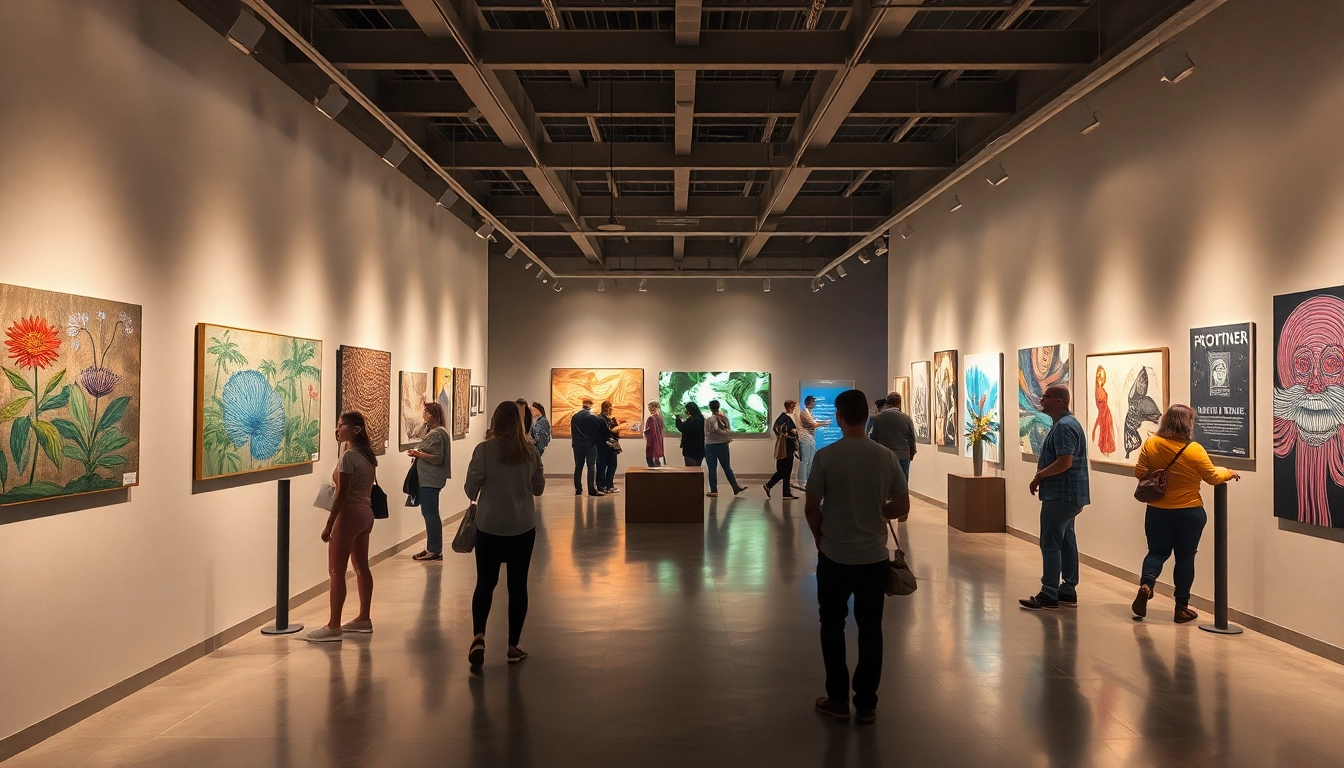
As the appreciation for biophilic art grows, institutions and public spaces are increasingly integrating natural elements into their designs. Galleries and museums are experimenting with plant installations, natural light, and organic architecture to create environments that are not only visually stunning but also psychologically beneficial.
For artists, collaborating with architects and landscape designers can lead to innovative projects that enhance public engagement with art. These collaborations can transform traditional viewing experiences, allowing art to exist harmoniously within nature rather than as a separate entity.
Digital Innovation: New Techniques in Art Creation
The digital revolution has transformed the art world, offering new mediums and techniques that empower artists to experiment and innovate. As we look towards 2025, understanding the impact of technology on artistic expression is essential for navigating this evolving landscape.
Emerging Digital Art Formats
Digital art is no longer limited to traditional forms like digital painting or photography. New formats are emerging that challenge our perceptions of art, including:
- Augmented Reality (AR): Artists are using AR to create immersive experiences that layer digital images over physical environments, allowing viewers to interact with art in unprecedented ways.
- Virtual Reality (VR): VR takes immersion a step further, enabling artists to create entire worlds that viewers can explore. This format is particularly effective for narrative-based art, offering deeper engagement with themes and concepts.
- Generative Art: Algorithms generate unique artworks based on specific parameters, highlighting the intersection of creativity and technology. Artists are leveraging code as a medium, creating pieces that evolve over time or respond to external stimuli.
Impact of Technology on Artistic Expression
Technology has democratized art production, allowing emerging artists to gain visibility and access resources that were once reserved for a select few. Social media platforms, digital galleries, and online marketplaces have become essential for artists to establish their presence and connect with global audiences.
Furthermore, the rise of NFTs (Non-Fungible Tokens) has revolutionized the art market, allowing digital artworks to be bought, sold, and traded securely on blockchain technology. This innovation not only provides artists with new revenue streams but also empowers them to retain ownership and provenance of their work.
Case Studies of Successful Digital Artists
Several digital artists stand out for their innovative approaches and successful integration of technology into their practices:
- Beeple: Known for his NFT artwork, Beeple made headlines when his piece sold for $69 million at a Christie’s auction, showcasing the potential of digital art within the traditional art market.
- Refik Anadol: Anadol combines machine learning and data visualization to create stunning installations that explore the relationship between physical and digital spaces.
- Krista Kim: As a pioneer of “digital canvases,” Kim uses technology to create living artworks that change in response to the environment, creating harmony between the digital and physical realms.
Community and Collaboration: The New Art Movement
In an age where individualism often prevails, the rise of collaborative and community-driven art projects is reshaping how art is created and experienced. This new movement underscores the importance of connection and shared experiences within the artistic process.
Building Artistic Communities: The Social Aspect
Community-oriented art initiatives empower artists and audiences to engage in meaningful dialogues and collaborations. Art collectives and cooperative studios are emerging as spaces for experimentation and support, fostering a sense of belonging among artists.
These communities often focus on social justice and environmental issues, encouraging artists to use their platforms to advocate for change and inspire action. Initiatives such as community murals, public art projects, and interactive installations invite participation and dialogue from diverse voices.
Collaborative Projects and Their Success Stories
Successful collaborative projects highlight the power of collective creative efforts:
- “The 596 Acres Project”: This initiative transforms vacant lots into green spaces through community engagement, demonstrating how art can catalyze urban renewal.
- “Hula-Hoop Project”: Artists from various backgrounds collaborated to create a series of sculptures that engage the public through playful interactions, emphasizing the importance of joy in art.
Utilizing Online Platforms for Artistic Growth
Online platforms facilitate collaboration by connecting artists globally, allowing them to share resources, ideas, and feedback. Initiatives like Instagram workshops, online artist residencies, and virtual exhibitions have expanded the possibilities for artistic growth and community-building.
As we approach 2025, these platforms will continue to play a crucial role in how artists navigate their careers, offering access to new audiences and collaborative opportunities that challenge traditional definitions of authorship and ownership.
Market Trends: Navigating the Art Economy in 2025
Understanding the current dynamics of the art market is vital for artists and collectors alike. The landscape is continuously shifting, influenced by digital innovations, economic factors, and evolving consumer preferences.
Understanding Current Art Market Dynamics
As we head into 2025, the art market is witnessing several significant trends:
- Increased Interest in NFTs: The appeal of digital collectibles continues to grow, with many artists exploring the NFT space as a legitimate market for their work.
- Sustainability Matters: Collectors are increasingly prioritizing works that promote environmental awareness and sustainability, reflecting a broader cultural emphasis on eco-friendly practices.
- Globalization of Art: The art market is becoming more inclusive, with emerging artists from diverse backgrounds gaining visibility and challenging traditional norms.
Key Challenges Facing Emerging Artists
Despite the opportunities, emerging artists face significant challenges in navigating the art economy:
- Market Saturation: With the rise of digital platforms, the sheer volume of emerging artists has made it challenging to stand out.
- Access to Funding: Securing funding for projects can be difficult, particularly for artists outside of established networks.
Strategies for Successful Art Sales and Promotion
To succeed in the competitive art market, artists must adopt strategic approaches to sales and promotion:
- Leverage Social Media: Building a strong online presence can enhance visibility and engagement with potential buyers.
- Participate in Art Fairs: These events provide valuable networking opportunities and exposure to collectors and galleries.
- Offer Limited Editions: Creating limited edition prints or series can create scarcity and elevate perceived value.
Future Predictions: What Lies Ahead for Art
As we look to the future, it is essential to explore the upcoming trends and movements that are expected to shape the art world in 2025 and beyond. Keeping an eye on these developments can help artists and collectors prepare for the evolving landscape.
Upcoming Art Movements and Styles to Watch
Several movements are emerging that may influence the direction of art in the coming years:
- Eco-Art: Artists are increasingly addressing environmental issues, using their work to advocate for sustainability and ecological responsibility.
- Post-Digital Art: As digital and traditional mediums converge, artists are exploring new hybrid forms that challenge the boundaries of both.
Expert Opinions on the Future of Art
Leading art critics and theorists are predicting notable shifts in the art world:
- Increased Accessibility: The rise of technology will make art more accessible to a broader audience, leading to diverse interpretations and engagement.
- Redefined Value: The traditional notions of value in art will evolve, with digital and collaborative works gaining prominence.
Preparing for the Evolution of Art in 2025
Artists looking to succeed in the future must remain adaptable and open to experimentation. Understanding the implications of technological advancements and emerging trends will be crucial in navigating the ever-changing art landscape. By embracing new strategies and engaging with their communities, artists can thrive in this dynamic environment.